How One Menu Photo Change Can Add 15–35% More Delivery Orders
What a 1945 food photography breakthrough can teach your restaurant about winning on Grab, Gojek, DoorDash, and Uber Eats.
Ditha Puspani
11/28/20256 min read
The 4‑Page Pamphlet That Rewired What America Ate
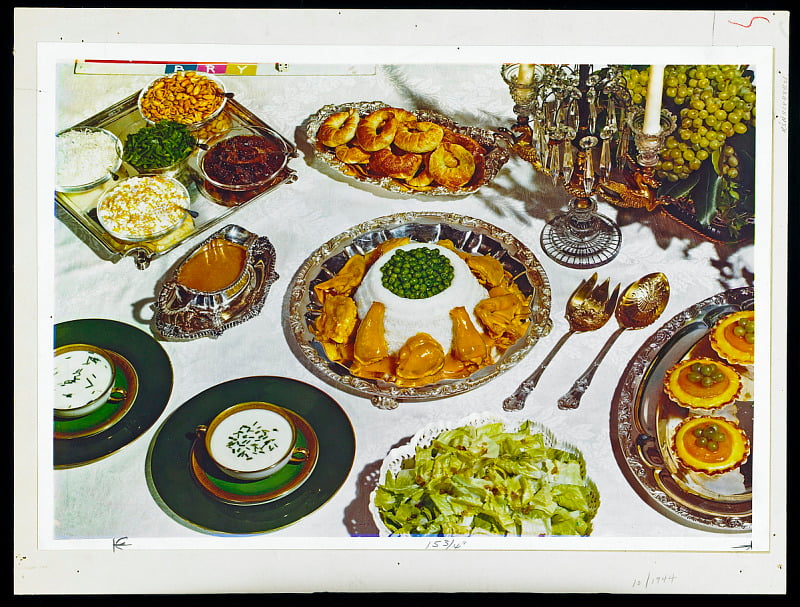
In 1945, a Hungarian photographer named Nickolas Muray helped change how an entire country ate dinner.
He didn’t open a restaurant or write a cookbook.
Instead, he created four‑page “cookbooklets” for brands like Crisco and Aunt Jemima—simple pamphlets filled with vivid color photos of prepared dishes.
At the time, most American families had never even seen an avocado, thought orange juice was only for certain regions, and treated tuna as cheap canned food.
Muray’s technicolor food photos showed these ingredients beautifully plated, abundant, and modern—and that visual made families curious enough to try them.
Over time, those images helped move avocados, orange juice, and tuna from “strange” or “low‑status” foods into everyday staples in American kitchens.
One change—adding compelling photos—quietly shifted what people put on their tables.
So what does this have to do with your delivery menu today?
Why Your Photos Quietly Decide Who Gets the Order
Muray understood something most brands ignored for years: text describes; images sell.
A recipe could tell people how to cook.
A photograph made them feel, “I want that.”
Today, the same invisible battle is happening on every delivery app.
Your customers can’t smell your nasi goreng or taste your broth through a phone screen.
They open Grab, Gojek, DoorDash, or Uber Eats and swipe through dozens of options in seconds.
Their brain makes a near‑instant decision...
“That looks worth it” or “keep scrolling”, based almost entirely on the images they see.
If your photos are dark, flat, or missing, your listing becomes almost invisible next to brighter, sharper competitors.
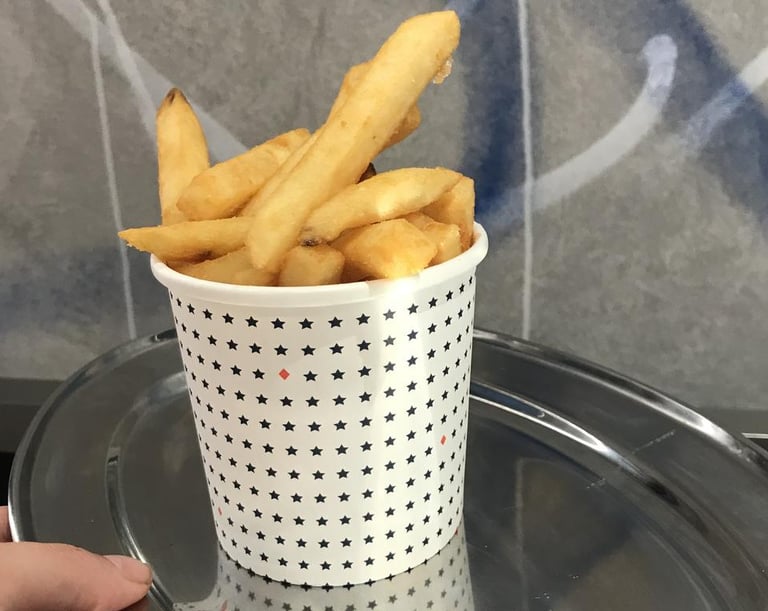
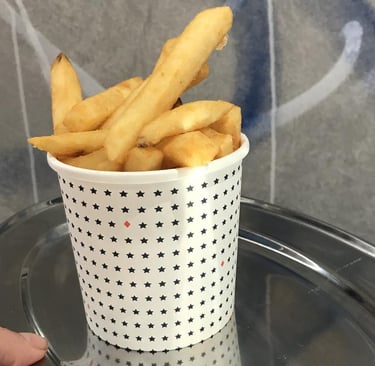
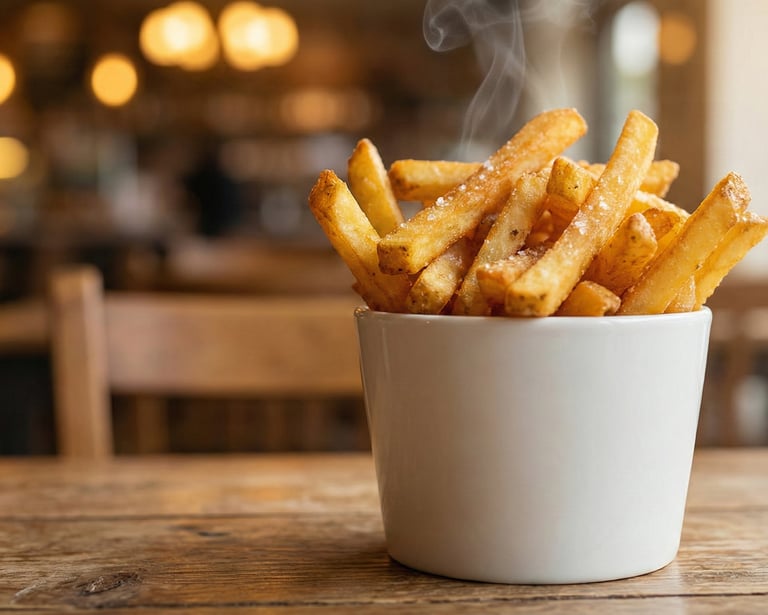

If you’ve ever opened your own listing and thought, “Our food tastes better than it looks here,” this article is for you.
What the Data Says About Photos and Orders
Major delivery platforms and industry researchers have looked at the impact of photos on orders, and the numbers are hard to ignore:
DoorDash has reported that adding high‑quality photos can increase delivery volume by around 15%.
Grubhub’s restaurant data shows that including photos in a menu can boost orders by up to 70% and increase sales by around 65%.
Deliveroo’s research indicates that each menu item with a professional photo can increase conversions by about 6.5%.
This isn’t just “branding.” It’s direct, measurable revenue.
What Those Percentages Mean for Your Restaurant
Let’s say your restaurant does around $6,000 per month in delivery orders.
Using the conservative ranges above:
15% uplift ≈ +$900 per month ≈ +$10,800 per year
25% uplift ≈ +$1,500 per month ≈ +$18,000 per year
35% uplift ≈ +$2,100 per month ≈ +$25,200 per year
No extra staff.
No new ad campaigns.
No extra menu items.
Just better photos that make people want to tap “Order.”
That’s the same principle that powered Muray’s cookbooklets: show people a more appetizing, aspirational version of the food, and they change what they buy.
How to Audit Your Delivery Photos in 5 Minutes
Before you think about any big project, run a quick self‑audit.
Open your listing on your phone (Grab, Gojek, DoorDash, Uber Eats—wherever you are) and ask:
Clarity at thumbnail size.
On the main listing grid, can you instantly see what each dish is from that tiny picture? If you have to squint or think about it, customers will just keep scrolling.
Lighting.
Do the dishes look bright and naturally lit, or dark, yellowish, and dull? Simple, well‑lit images consistently perform better for food ordering.
Focus point.
Is the hero part of the dish (the burger patty, the main topping, the key protein) sharp and centered, or is attention pulled to plates, hands, or table clutter?
Background and props.
Is the background clean and neutral, or is there distracting cutlery, messy tableware, or busy patterns that compete with the food?
Consistency.
Do your photos look like they belong to one brand (similar angles, color tone, and style), or like a mix of random shots taken over months? Consistent visuals build trust and professionalism.
Finally, ask yourself:
“If I had just 3 seconds on this page as a hungry customer, which dish would I tap first?”
If the answer isn’t one of your signature, high‑margin items, there’s an opportunity.
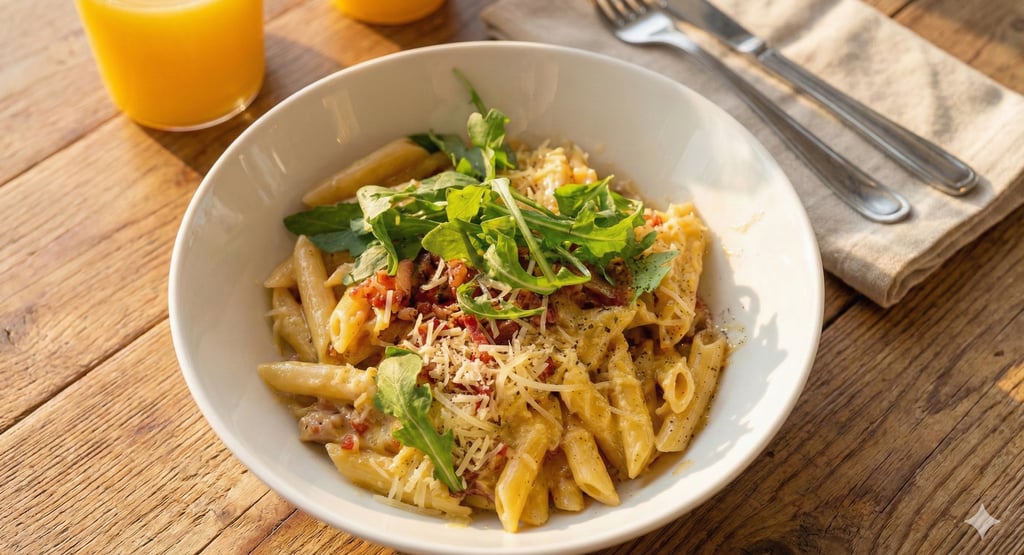
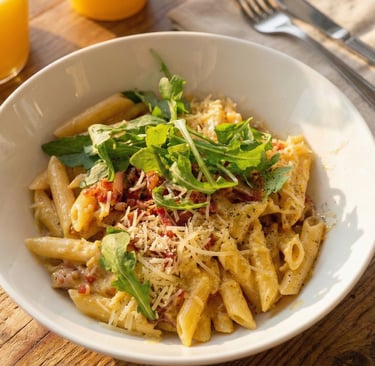
Before and After: What One Image Can Do
Imagine two photos of the same dish on a delivery app:

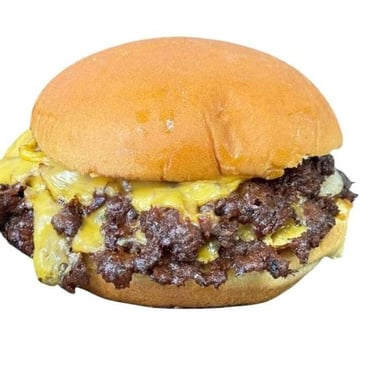
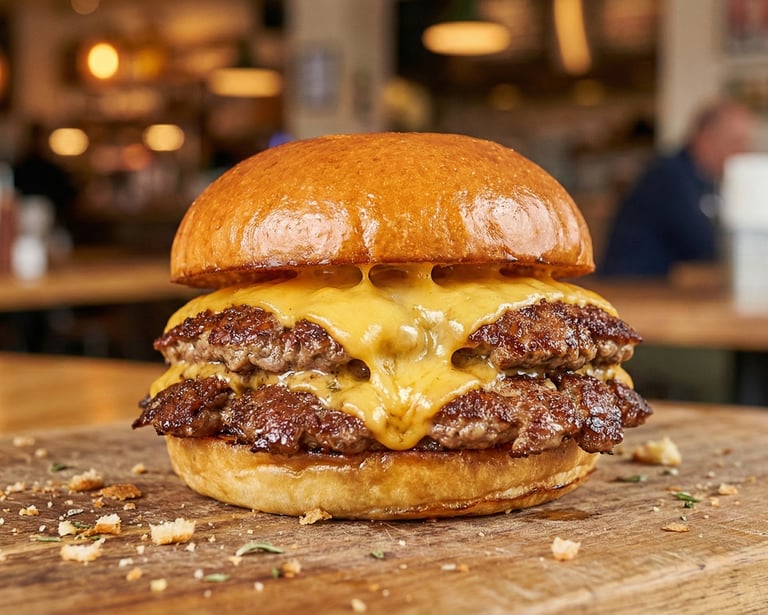
Even if you don’t think of yourself as “visual,” you already know which one you’d choose.
Your customers are making that same choice dozens of times a day, in fractions of a second.
This is why platforms emphasize professional photography and why they see consistent conversion lifts when better images are added to menus.
Why Photos Often Matter More Than Text and Reviews
Research into online food ordering behavior consistently shows that visuals carry more weight than long descriptions and even reviews when people decide what to order.
In one survey of delivery customers, viewing photos was ranked as more important than reading menu descriptions, and a large majority identified high-quality images as a direct influence on their choices.
People don’t read line‑by‑line when they’re hungry and scrolling; they scan, stop on what looks good, then skim the details.
That means your photos are often doing the “first pass” selection.
If they fail, even great reviews or creative descriptions may never get a chance.
What If You Can’t Hire a Photographer
Maybe you already know your photos aren’t good enough, but:
You don’t have a budget for a full professional shoot right now.
You don’t have time to schedule, plan, and organize everything.
You’re not sure who to trust or how to brief them.
The good news is that you don’t have to choose between “do nothing” and “spend thousands.”
With AI‑enhanced photography, it’s now possible to take a decent base photo (even from your phone) and transform it into a polished, platform‑ready image with better lighting, composition, and clarity, without a full production.
A Simple First Step: One Upgraded Photo
If you’ve read this far, you clearly care about how your food is presented online.
Delivery platforms’ own data shows that improving your photos is one of the simplest ways to increase orders, often in the 15–35% range and sometimes more.
You want those extra orders, but without a full photoshoot, big photographer fees, or complicated planning eating up your time.
Here’s the simple way this works for you:
Every time your kitchen sends out a dish you’re proud of, have your staff snap a quick phone photo.
Send those photos to me.
I transform them into mouth‑watering, delivery‑ready images using AI, optimized for Grab, Gojek, DoorDash, Uber Eats, or your own menu.
No studio, no lighting gear, no photographer showing up at your restaurant.
You get a steady stream of upgraded photos that finally match how good your food tastes.
And you start turning more app views into real delivery orders, using the dishes you’re already cooking every day.
If you love the result and see a difference, you can choose to upgrade more.
If not, you’ll still walk away with a stronger image for one of your dishes.
Common Questions Restaurant Owners Ask About Updating Photos
Do photos really matter more than reviews?
Reviews are important for overall trust, but when someone is already on a delivery app, multiple studies show that photos often outrank both descriptions and reviews in the moment of choosing a specific dish. Think of photos as the “hook” and reviews as the “reassurance.”
Will AI‑enhanced images still look like my real food?
Used properly, enhancement focuses on light, color, sharpness, and composition—making the dish look like its best honest version, not something you can’t replicate in real life. The goal is accurate, appetizing representation, not misrepresentation.
What if I upgrade photos and nothing changes?
Results vary depending on your starting point, but platforms themselves report meaningful average lifts when better photos are added.
Treat this like any other test: track orders for specific dishes before and after you change the images, and see what happens over a few weeks. Even a modest uplift across your top items adds up over a year.
What if I upgrade photos and nothing changes?
Results vary depending on your starting point, but platforms themselves report meaningful average lifts when better photos are added.
Treat this like any other test: track orders for specific dishes before and after you change the images, and see what happens over a few weeks. Even a modest uplift across your top items adds up over a year.